
Innovative Sustainable Packaging for Modern Ecommerce
- Tijara Retail
- Dec 30, 2025
- 4 min read

In the fast-paced world of ecommerce, packaging plays a crucial role not only in protecting products but also in shaping brand identity and customer experience. However, the environmental impact of traditional packaging materials has raised concerns globally. As consumers become more eco-conscious, businesses are seeking innovative eco-friendly packaging solutions that reduce waste and carbon footprint while maintaining product safety and appeal.

The Rise of Eco-Friendly Packaging Solutions in Ecommerce
Eco-friendly packaging solutions are transforming how ecommerce businesses approach product delivery. These solutions focus on using materials and designs that minimize environmental harm. For example, many companies now use biodegradable plastics, recycled paper, and plant-based materials to replace conventional packaging.
One popular approach is using mushroom packaging, which is made from agricultural waste and mycelium. This material decomposes naturally within weeks, making it an excellent alternative to polystyrene foam. Another innovation is cornstarch packaging, which is compostable and safe for food products.
Businesses are also adopting minimalist packaging designs to reduce material usage. This includes eliminating excess fillers and using right-sized boxes to avoid wasted space. Such practices not only cut down on waste but also reduce shipping costs.
Actionable tips for ecommerce businesses:
Switch to compostable mailers or boxes made from recycled content.
Use water-based inks and adhesives to ensure recyclability.
Educate customers on how to dispose of packaging responsibly.

Key Benefits of Using Eco-Friendly Packaging Solutions
Adopting eco-friendly packaging solutions offers multiple advantages beyond environmental impact. Here are some key benefits:
Brand Differentiation - Consumers increasingly prefer brands that demonstrate environmental responsibility. Using sustainable packaging can enhance brand image and loyalty.
Cost Savings - While some eco-friendly materials may have higher upfront costs, reducing packaging size and weight can lower shipping expenses.
Regulatory Compliance - Governments worldwide are introducing stricter regulations on packaging waste. Early adoption of sustainable materials helps businesses stay ahead of compliance requirements.
Customer Satisfaction - Eco-conscious customers appreciate transparent efforts to reduce waste, which can lead to positive reviews and repeat purchases.
For example, a fashion ecommerce brand that switched to recycled cardboard boxes and soy-based inks saw a 20% increase in customer satisfaction scores within six months.
What are the 7 R's of sustainable packaging?
Understanding the 7 R's of sustainable packaging is essential for implementing effective eco-friendly strategies. These principles guide businesses in minimizing environmental impact throughout the packaging lifecycle:
Refuse - Avoid unnecessary packaging or materials that are harmful to the environment.
Reduce - Use fewer materials and optimize packaging size to minimize waste.
Reuse - Design packaging that can be reused by customers or in other applications.
Recycle - Choose materials that are easily recyclable and encourage customers to recycle.
Repair - Ensure packaging can be repaired or repurposed instead of discarded.
Rethink - Continuously innovate packaging design to improve sustainability.
Recover - Implement systems to recover packaging materials for energy or material reuse.
By applying these principles, ecommerce businesses can create packaging that supports a circular economy and reduces landfill waste.
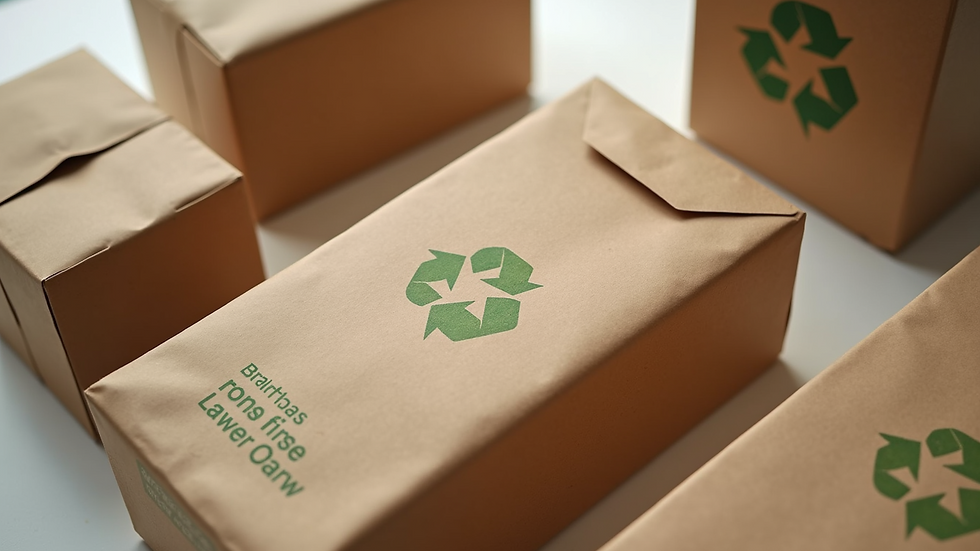
Practical Innovations in Sustainable Packaging for Ecommerce
Several innovative solutions are gaining traction in the ecommerce packaging space:
Edible Packaging: Made from natural ingredients like seaweed or rice, edible packaging eliminates waste entirely. It is ideal for small food items or samples.
Air Pillows from Recycled Materials: These lightweight fillers protect products during shipping and can be reused or recycled.
Seed-Embedded Packaging: Packaging embedded with seeds encourages customers to plant the material after use, promoting greenery.
Smart Packaging: Incorporating QR codes or NFC tags to educate customers on recycling or reuse options.
Businesses can also collaborate with suppliers specializing in sustainable packaging solutions to customize materials and designs that fit their product needs.
How to Choose the Right Sustainable Packaging Partner
Selecting the right partner is critical for successful implementation of eco-friendly packaging. Consider the following factors:
Material Expertise: Look for suppliers with a wide range of sustainable materials and certifications.
Customization Capabilities: Ability to tailor packaging to your brand and product specifications.
Supply Chain Transparency: Ensure the partner follows ethical sourcing and manufacturing practices.
Cost and Scalability: Evaluate pricing models and capacity to scale with your business growth.
Customer Support: Responsive service and guidance on best practices.
For example, Econucleax offers a variety of sustainable packaging solutions designed for ecommerce businesses, combining innovation with environmental responsibility.
Moving Towards a Greener Ecommerce Future
The shift to eco-friendly packaging solutions is not just a trend but a necessary evolution for ecommerce. By embracing sustainable materials, innovative designs, and responsible practices, businesses can reduce their environmental footprint and meet the expectations of modern consumers.
Implementing these changes requires commitment and collaboration across the supply chain. However, the long-term benefits for the planet and business success make it a worthwhile investment.
Start small by auditing your current packaging and identifying areas for improvement. Engage with customers to understand their preferences and educate them on sustainability efforts. Over time, these steps will contribute to a more sustainable and profitable ecommerce ecosystem.

Comments